











Oct. 10, 2026
What Flight Data Does a Custom Propeller Manufacturer Need?
A custom propeller manufacturer needs accurate flight, aircraft, motor, and operating data to design a propeller that produces the required thrust efficiently and safely. For Rayi, this information supports blade geometry, diameter, pitch, airfoil selection, material choice, balancing, and validation. Providing complete data helps a custom drone pr

Oct. 07, 2026
Why Mission Profiles Matter in Custom Propeller Design
A drone can have a powerful motor, a high-capacity battery, and an advanced flight controller yet still underperform if its propeller is designed without a clear mission profile. This is one of the most common causes of excessive vibration, poor endurance, unstable payload operation, and premature drivetrain wear. When a propeller is selected only

Sep. 30, 2026
Drone Propeller Types and Their Performance Differences
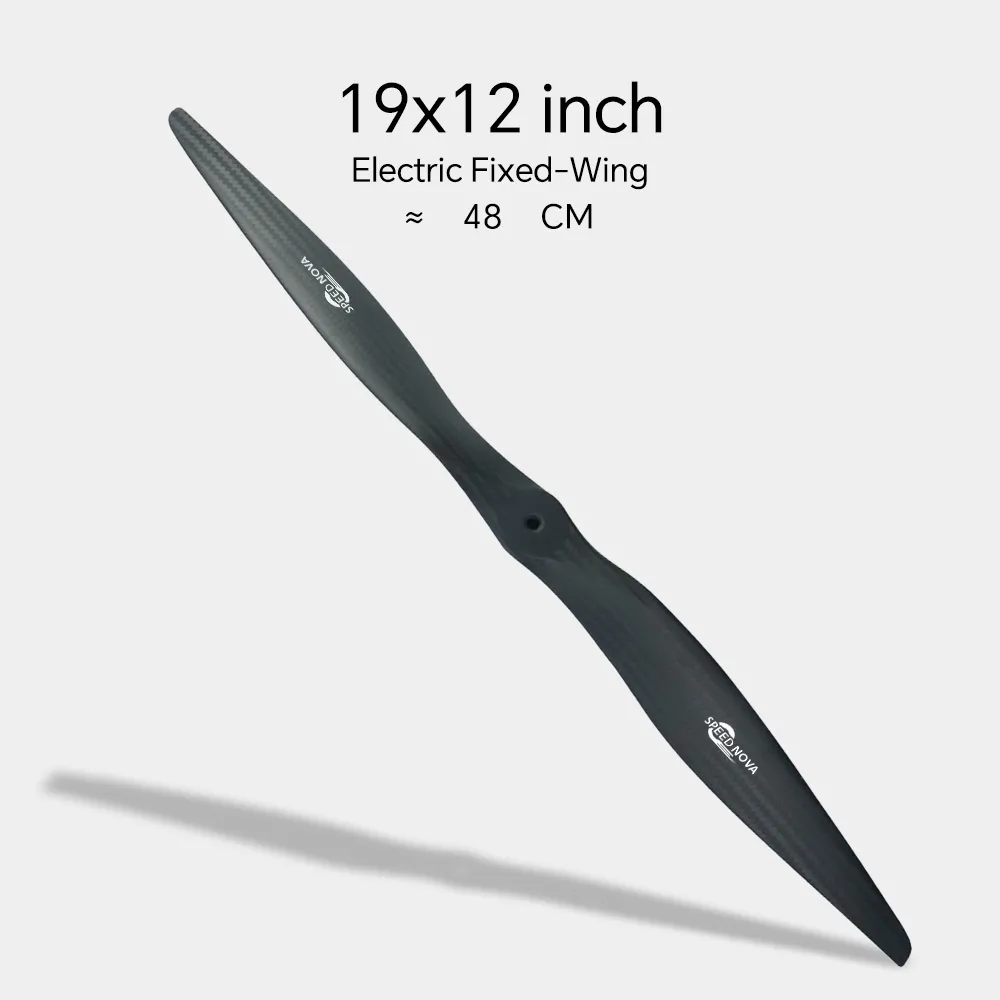
This guide explains drone propeller types and their performance differences, showing how diameter, pitch, blade count, material, motor KV, battery voltage, and aircraft weight affect flight results.
Sep. 30, 2026
How to Choose the Right Drone Propeller for Different UAV Applications
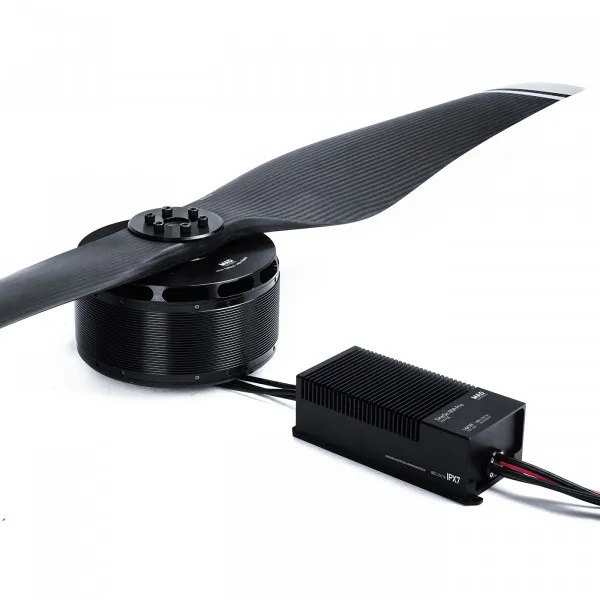
This UAV propeller guide explains how diameter, pitch, blade count, motor KV, battery voltage, materials, and testing affect drone performance across major applications.
Sep. 30, 2026
Large Drone Propeller Clearance Guide for Airframe Designers
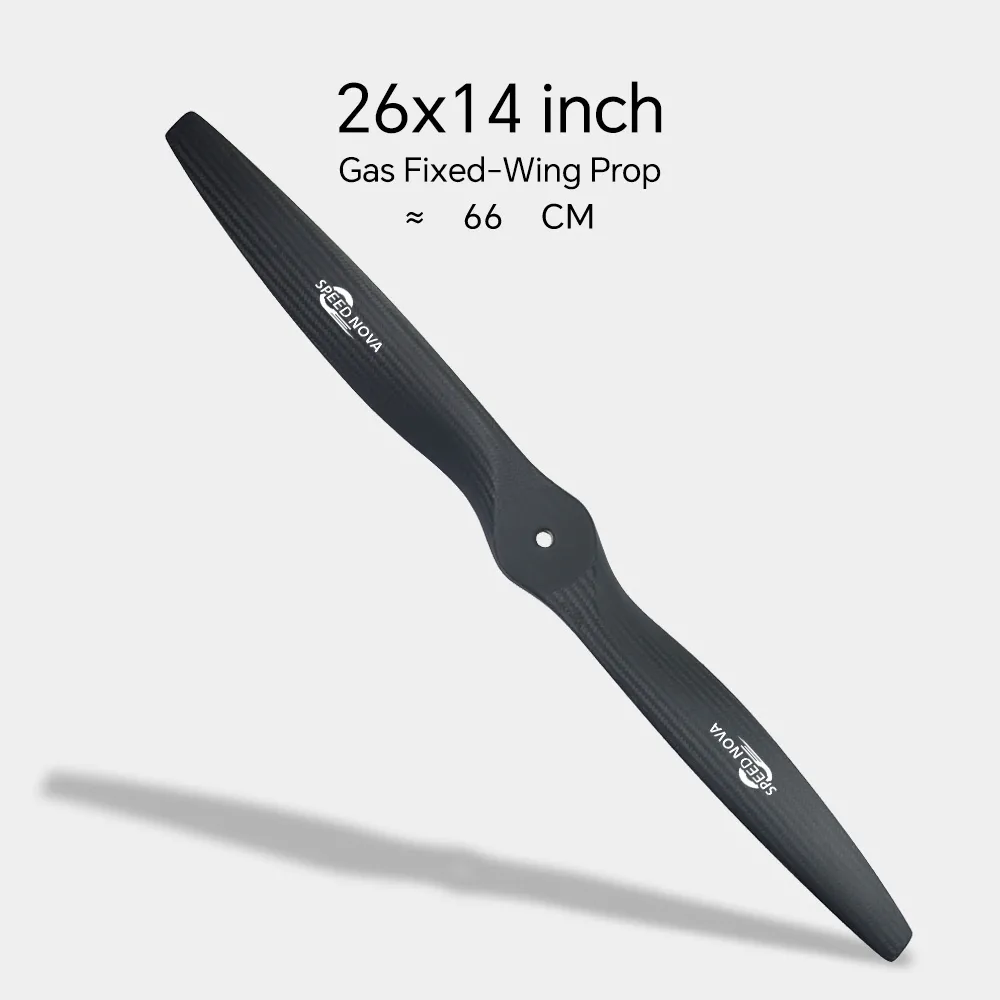
Designing around a large-diameter UAV propeller requires more than leaving a visible gap around the blades. This guide explains a practical large drone propeller clearance guide for airframe designers, including large-diameter UAV propeller installation and heavy-lift drone propeller sizing. It addresses rotor-disk interference, arm and payload placement, blade-flex risk, transport constraints,
Sep. 30, 2026
Why Propeller Position Changes Cooling, Noise, and Efficiency
A fixed-wing UAV propeller can deliver different flight results even when its diameter, pitch, motor, and battery remain unchanged. The reason is installation position: a fixed-wing UAV propeller placement changes the air entering the blades, the amount of prop wash reaching the fuselage and control surfaces, the cooling available to the motor, and the aircraft’s acoustic signature. For
