











Sep. 30, 2026
What Is Safe Propeller Clearance on a Large Drone?
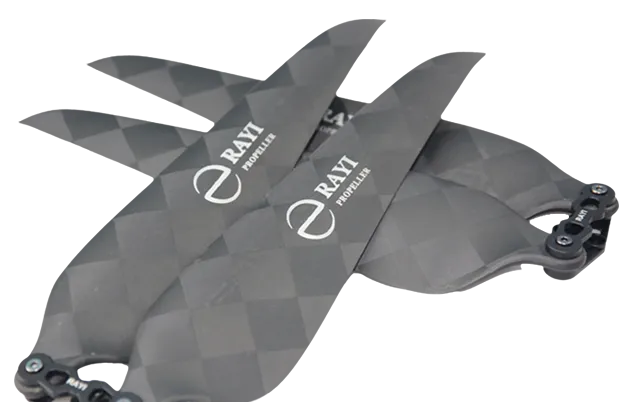
Safe propeller clearance is the minimum distance between a rotating large drone propeller and any nearby object, including the fuselage, motor arm, landing gear, battery, payload, another propeller, or the ground. It must remain safe during normal operation, vibration, motor flex, aerodynamic loading, emergency shutdown, and maximum blade deflection. For Rayi and other UAV manufacturers, correct
Sep. 30, 2026
What Is a Tractor Propeller on a Fixed-Wing UAV?
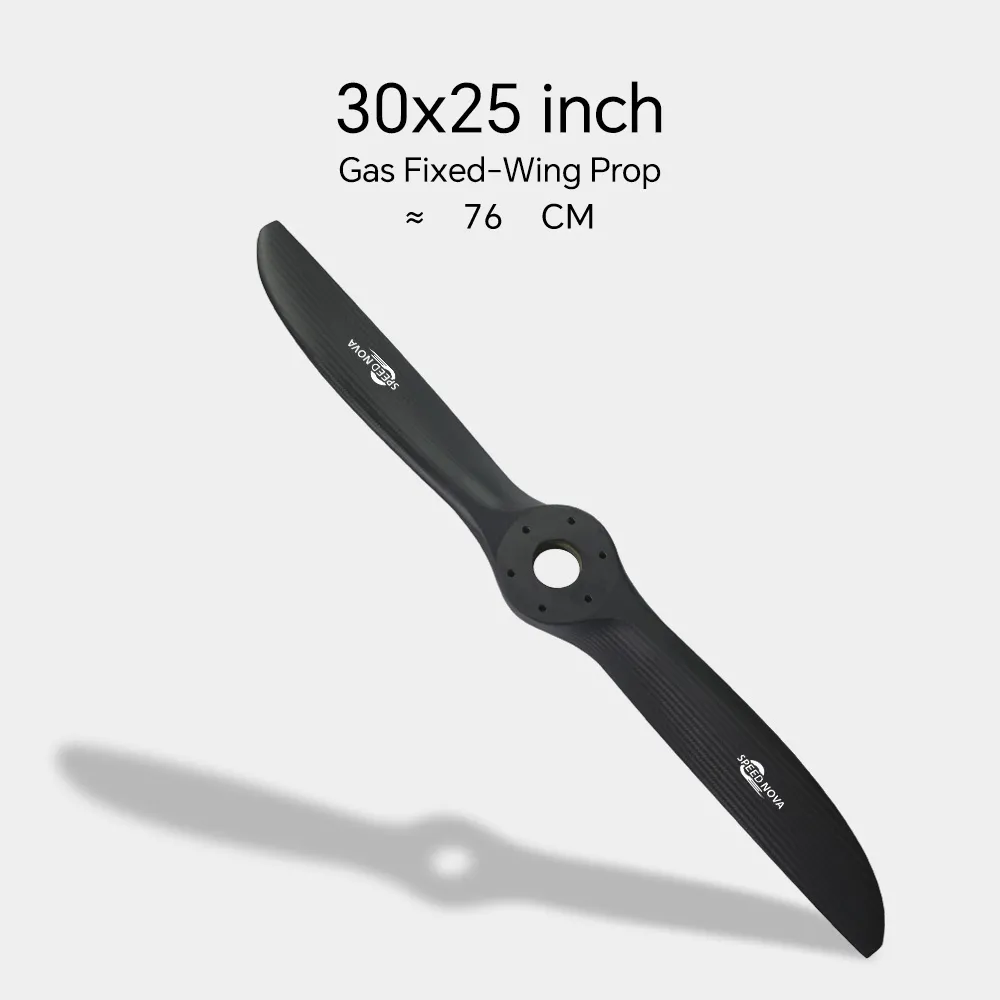
A fixed-wing drone propeller mounted at the front of an aircraft is called a tractor propeller. It pulls the aircraft through the air instead of pushing it from behind. This layout is common in mapping drones, surveillance aircraft, agricultural UAVs, and long-range research platforms. For operators comparing a tractor propeller for fixed-wing UAVs, the main questions are usually simple: How does

Aug. 18, 2026
Why Insufficient Blade Clearance Reduces Thrust and Safety
When a large-diameter UAV propeller operates too close to a frame arm, battery housing, neighboring rotor, wall, or the ground, the aircraft may lose lift precisely when it needs it most. Pilots may notice longer takeoff runs, rising motor temperature, unstable hover, or sudden vibration. The practical answer is not to increase throttle blindly: measure the large-diameter UAV propeller blade

Aug. 17, 2026
Pros and Cons of Rear-Mounted Pusher Propellers
Choosing a fixed-wing drone propeller is not simply a matter of selecting the largest or fastest blade. A rear-mounted pusher propeller for fixed-wing UAVs changes airflow, cooling, balance, noise, and payload clearance. This guide compares pusher versus tractor propeller efficiency and explains how to choose a pusher propeller for a fixed-wing drone using measurable factors such as static

Aug. 14, 2026
Large-Diameter vs Multi-Blade Propellers Under Tight Clearance
Choosing between a large drone propeller and a multi-blade propeller is not only a question of thrust. Under tight clearance, the decision affects battery life, motor temperature, flight stability, noise, payload capacity, landing safety, and long-term operating cost. Rayi helps drone operators evaluate these tradeoffs by comparing propeller geometry with the actual limits of the aircraft,

Aug. 13, 2026
How to Choose a Pusher or Tractor Propeller for a UAV
Select the correct Rayi fixed wing UAV propeller by matching propulsion layout, motor data, aircraft clearance, thrust requirements, and operating conditions—then validate the choice with static and flight tests.
